
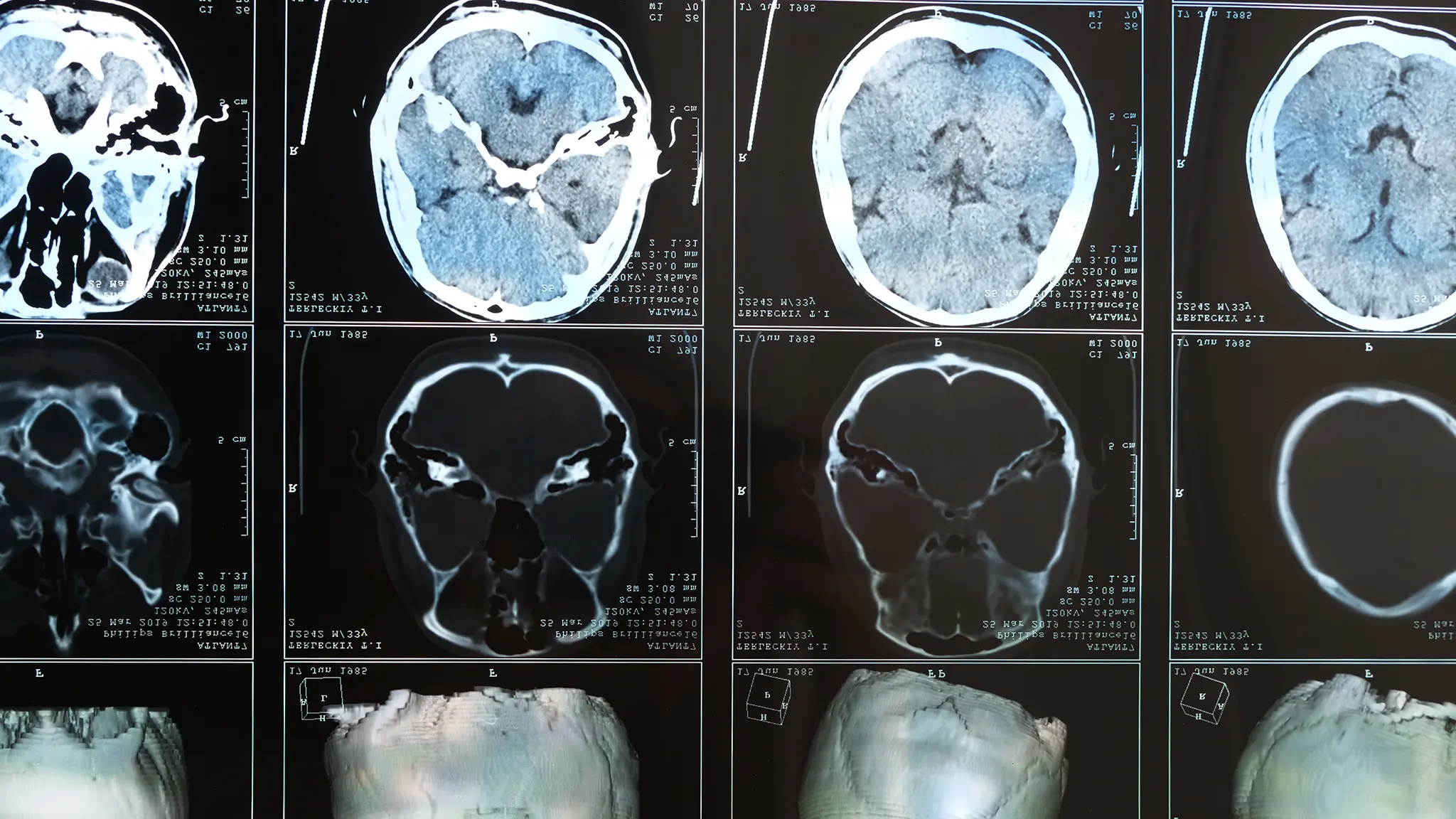
Traumatic Brain Injuries
After an Accident
A traumatic brain injury (TBI) can change everything in an instant. Whether caused by a car crash, truck collision, or workplace accident, the effects can be life-altering — physically, emotionally, and financially. Tucker Law stands with victims and families navigating these devastating injuries, fighting to secure the full compensation they deserve.
On This Page
Understanding Traumatic Brain Injuries
A TBI occurs when a sudden impact or jolt disrupts normal brain function. Even what seems like a “mild” concussion can have serious long-term consequences. Because symptoms may take hours or days to appear, immediate medical evaluation is critical — and so is having a law firm that understands how to prove invisible injuries in court.
Tucker Law works with neurologists, neuropsychologists, and life-care experts to document every detail — from cognitive deficits to behavioral changes — ensuring insurers cannot dismiss or minimize the harm you’ve suffered.
What are the Common Causes of Traumatic Brain Injuries?
Traumatic brain injuries can result from almost any serious impact, including:
- Motor Vehicle Accidents: Whiplash, head strikes, and airbag impacts during crashes.
- Truck and Commercial Vehicle Collisions: High-impact forces that cause severe concussions or skull fractures.
- Falls and Workplace Accidents: Construction, industrial, and slip-and-fall incidents often lead to blunt-force trauma.
- Pedestrian or Bicycle Accidents: Unprotected victims are especially vulnerable to direct head injuries.
- Sports or Recreational Accidents: Repeated blows or sudden jolts can accumulate and cause lasting brain damage.
Types of Brain Injuries We Handle
1. Concussions (Mild TBIs)
Even a “mild” concussion can disrupt concentration, balance, or short-term memory. Repeated concussions increase the risk of chronic traumatic encephalopathy (CTE) and long-term neurological decline.
2. Contusions and Hematomas
A bruise or clot on the brain (hematoma) can cause swelling and pressure inside the skull, requiring surgery to relieve life-threatening intracranial pressure.
3. Diffuse Axonal Injuries (DAI)
Common in high-speed collisions, DAIs occur when the brain twists or rotates inside the skull, tearing nerve fibers. These injuries often result in prolonged unconsciousness or permanent disability.
4. Penetrating Head Injuries
Caused by shattered glass, debris, or foreign objects entering the skull — these injuries demand emergency surgery and long-term care.
5. Hypoxic or Anoxic Brain Injuries
When the brain is deprived of oxygen — such as during cardiac arrest or severe bleeding — even brief oxygen loss can lead to irreversible brain damage.
Signs and Symptoms of a TBI
Because brain injuries can be subtle or delayed, knowing what to look for is crucial. Symptoms include:
- Persistent headaches or migraines
- Dizziness or loss of balance
- Blurred or double vision
- Nausea or vomiting
- Sensitivity to light or noise
- Confusion, memory gaps, or poor concentration
- Sleep disturbances
- Mood swings, irritability, or depression
If you or a loved one experience any of these symptoms after an accident, seek immediate medical care and contact Tucker Law to preserve your right to compensation.
The Lifelong Impact of Traumatic Brain Injuries
TBIs often create permanent challenges that affect every part of a victim’s life. Depending on severity, victims may experience:
- Cognitive impairment (difficulty thinking, remembering, or learning)
- Loss of motor coordination and fine-motor skills
- Speech or language difficulties
- Emotional or behavioral changes
- Inability to work or live independently
Tucker Law partners with rehabilitation specialists and financial experts to calculate the full lifetime cost of your care — from medical bills and therapy to lost earning capacity and home modifications.
What You Can Recover in a Brain Injury Claim
A successful TBI claim must account for both visible and invisible damage. Tucker Law ensures that your compensation reflects the full scope of your injuries.
Economic Damages
- Emergency care, hospitalization, and neurosurgical treatment
- Diagnostic imaging and ongoing medical management
- Physical, occupational, and cognitive rehabilitation
- Lost wages and diminished future earnings
- Long-term in-home care, transportation, and accessibility modifications
Non-Economic Damages
- Pain, suffering, and emotional distress
- Loss of cognitive and social function
- Diminished quality of life or independence
- Loss of consortium for spouses and loved ones
Punitive Damages
When reckless or egregious conduct — such as drunk driving or distracted trucking — leads to catastrophic brain injury, courts may award punitive damages to hold wrongdoers accountable.
How Tucker Law Builds a Strong Brain Injury Case
TBI cases demand precision, resources, and expert collaboration. Tucker Law’s approach includes:
Immediate Case Review
We evaluate your medical records, accident reports, and personal history to determine all potential sources of liability and coverage.
Medical Documentation
Our firm works directly with neurologists and neuropsychologists to provide objective proof of brain trauma and its long-term effects.
Expert Testimony
We enlist life-care planners, vocational experts, and economic analysts to present a full picture of your future costs and needs.
Negotiation and Litigation
We handle every insurer and defense attorney, pushing for a full and fair settlement — or taking your case to trial if necessary.
Throughout the process, Tucker Law keeps you informed and supported, so you can focus on your recovery while we focus on results.
Frequently Asked Questions
What if my MRI or CT scan looks normal?
Not all TBIs show up on imaging. Many involve microscopic damage. Our experts use neurocognitive testing and other tools to prove your injury’s impact.
How long do I have to file a brain injury lawsuit?
In Pennsylvania, most personal injury claims must be filed within two years, but evidence fades quickly. Contact Tucker Law as soon as possible.
Can a concussion really be serious?
Absolutely. Even mild TBIs can cause lifelong issues with memory, focus, and mood. Insurers often downplay concussions — we make sure they don’t.
Do I need a lawyer for a TBI claim?
Yes. Brain injury cases require advanced medical and legal understanding. Tucker Law handles the complexities so you can concentrate on healing.
How does Tucker Law get paid?
We work on a contingency basis — no fees unless we win your case.
Why Choose Tucker Law
- Proven Results: Millions recovered for catastrophic injury victims.
- Medical Insight: Experience working with neurologists, neuropsychologists, and rehabilitation teams.
- Client Commitment: You’ll receive direct communication, compassion, and transparency every step of the way.
- Trial-Ready Advocacy: Our firm prepares every TBI case as if it will be presented before a jury.
- Local Experience: We understand Pennsylvania courts, doctors, and insurance networks — giving your case a local edge.
A brain injury can change the rest of your life — but you don’t have to face it alone.
Call Tucker Law today for a free, no-obligation consultation.
We’ll fight for your recovery, protect your rights, and secure the compensation you deserve.
You pay nothing unless we win.











Heading
Lorem ipsum dolor sit amet, consectetur adipiscing elit, sed do eiusmod tempor incididunt ut labore et dolore magna aliqua. Ut enim ad minim veniam, quis nostrud exercitation ullamco laboris nisi ut aliquip ex ea commodo consequat.
Lorem ipsum dolor sit amet, consectetur adipiscing elit, sed do eiusmod tempor incididunt ut labore et dolore magna aliqua.